Battle of the Buzzers

Project hero image
Role
UI/UX Designer, Web Designer, Graphic Designer, Motion Designer, Exhibit Designer
Tools
Figma, UIX, Adobe Suite
Skills
UI/UX Design, Experiential Design
Timeline
September 2024 – May 2025
Key Project Points
  • Interactive Design
  • Navigation & User Flow
  • Accessibility
  • Exhibit
  • Process Deck

Project Overview

Background and Goals


This project was completed as part of a semester-long capstone collaboration with The Strong National Museum of Play. Our team was tasked with designing a physical-digital game installation for Beyond the Buzzer: Game Shows in America, an upcoming exhibit celebrating the history and energy of American game shows.

The final experience blended projected visuals, touch interaction, and real-time feedback, creating a fast-paced, family-friendly activity that felt at home alongside iconic game-show moments.

The installation needed to:

  • Capture the excitement and fast-paced energy of game shows
  • Encourage playful physical movement
  • Onboard players of all ages within seconds
  • Support multiple difficulty levels
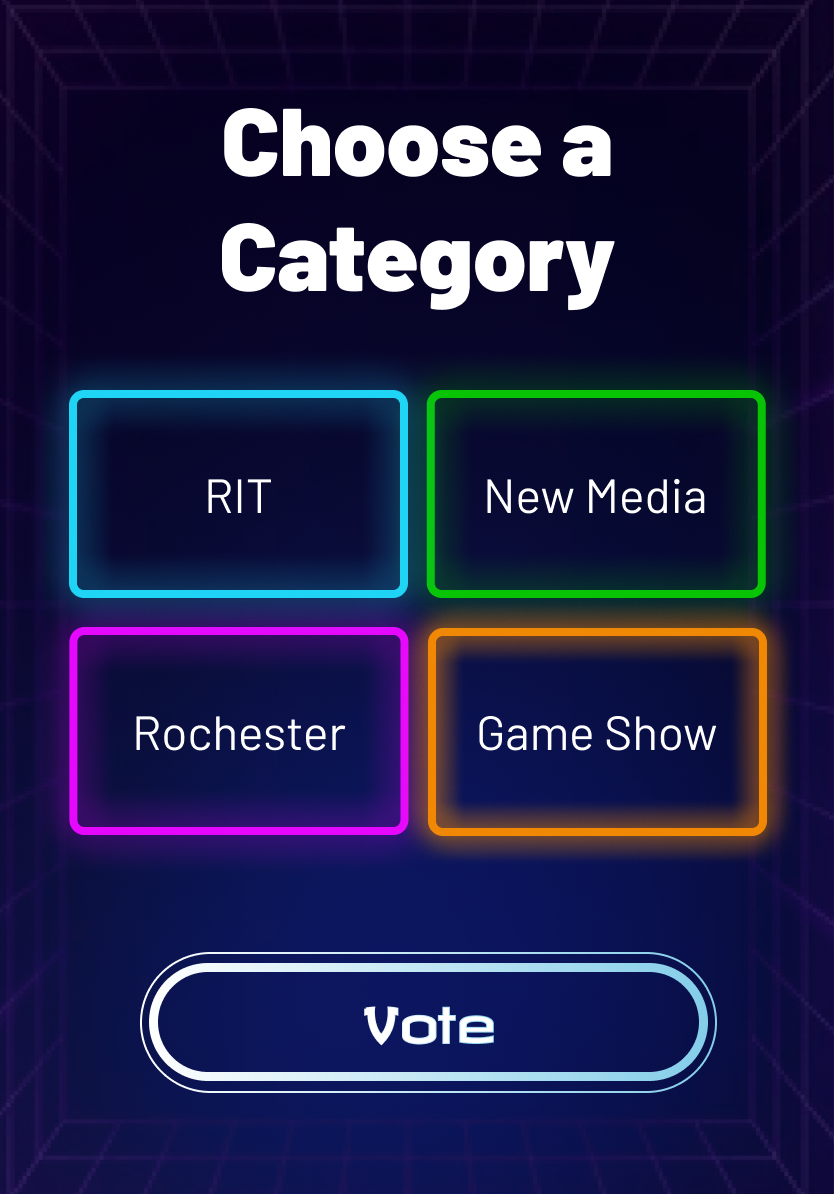
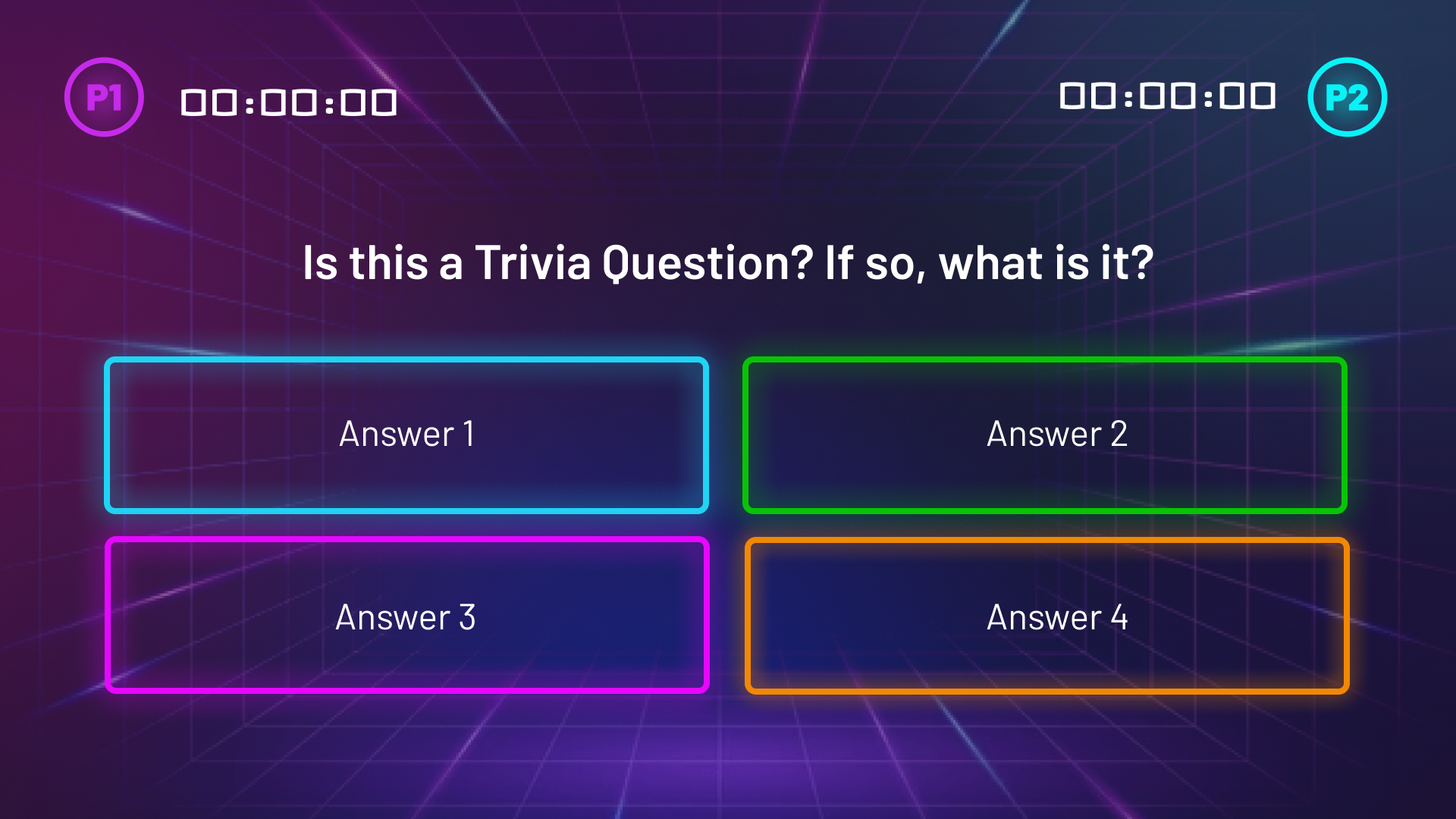
  • Communicate clearly across projection, kiosk screens, and physical space
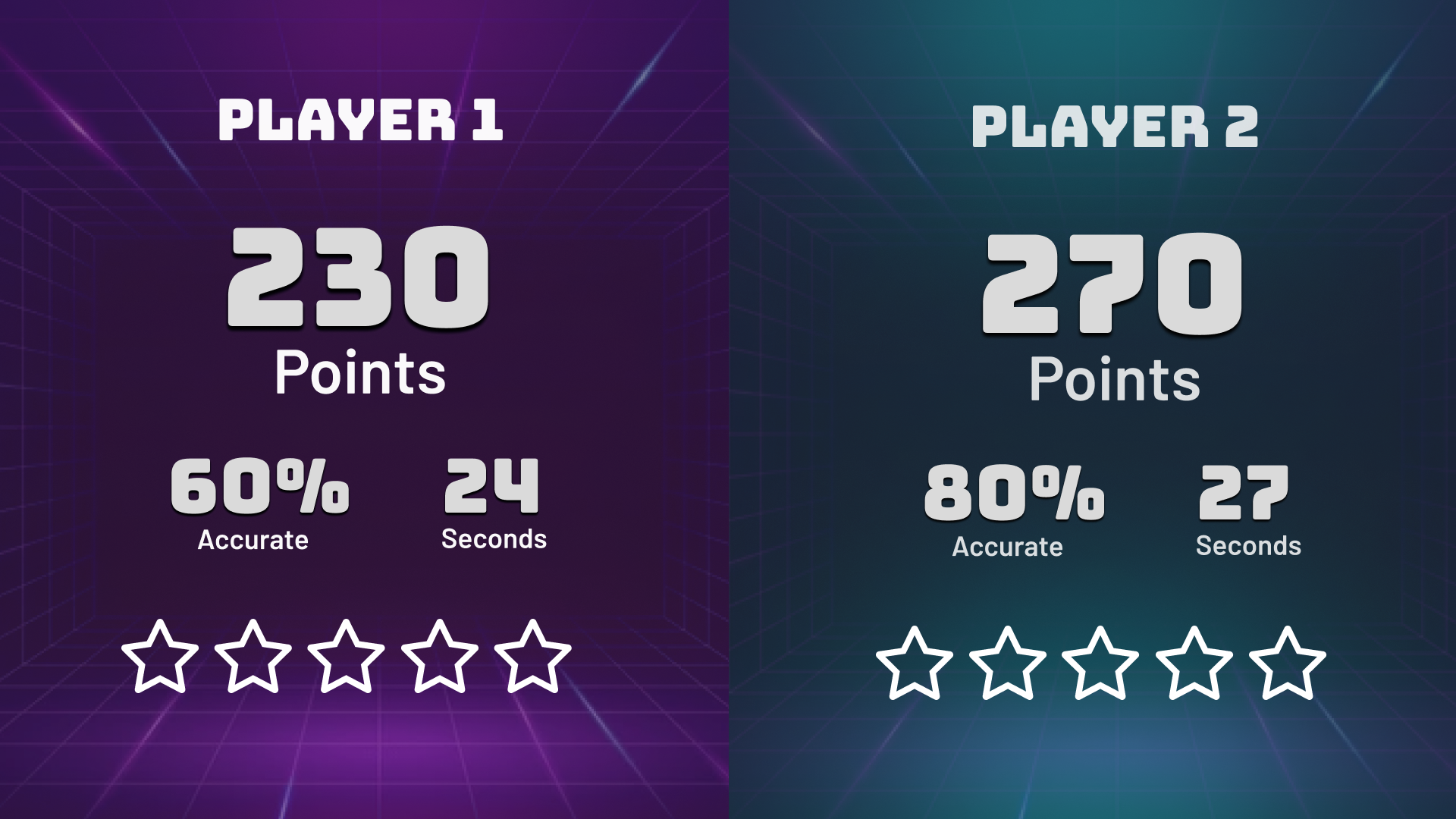
  • Log times and trivia scores through the museum’s RFID wristbands
Process

Research


Our research phase focused on understanding how visitors of all ages engage with interactive exhibits at The Strong Museum of Play, as well as identifying the core elements that make game shows exciting, intuitive, and easy to follow. To ground our design decisions, we analyzed:

  • Existing interactive exhibits at The Strong to understand flow, signage, pacing, and accessibility needs.
  • Classic and contemporary game show formats, studying how they use color, feedback, countdowns, and anticipation to guide players.
  • User behavior in family-oriented environments, focusing on quick onboarding, minimal reading, and strong visual cues.
  • Accessibility requirements, including touch target sizing, color contrast, and information hierarchy suitable for children, adults, and guests with mobility or sensory needs.
We also met with museum representatives to clarify educational goals and constraints. Their insights helped us balance entertainment value with interpretive content, ensuring the experience supported the exhibit’s storytelling instead of competing with it.

Example image 1 Example image 2
Example full-width image

Ideation and Iteration


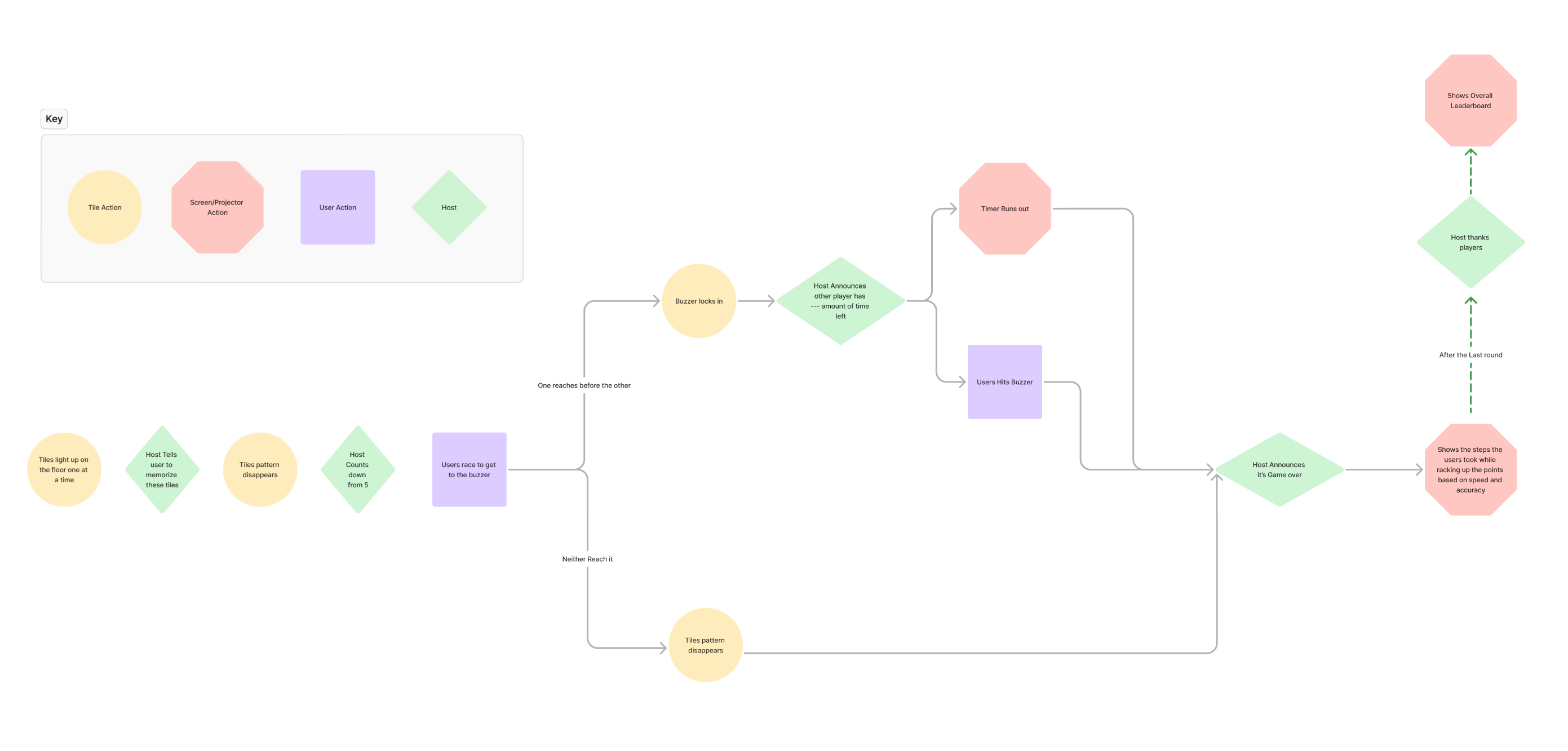
With our research complete, we moved into ideation—exploring how physical movement, digital feedback, and game-show energy could come together in a way that felt intuitive for visitors of all ages. Our team sketched dozens of concepts, mapped user flows, and tested out early ideas for how players would interact with the projected tiles and the onboarding kiosk. We created low-fidelity prototypes to quickly iterate on different interaction models, focusing on how players would understand the rules, receive feedback, and stay engaged throughout the game.

  • Fast-paced stepping mechanics inspired by buzzer-style game show challenges.
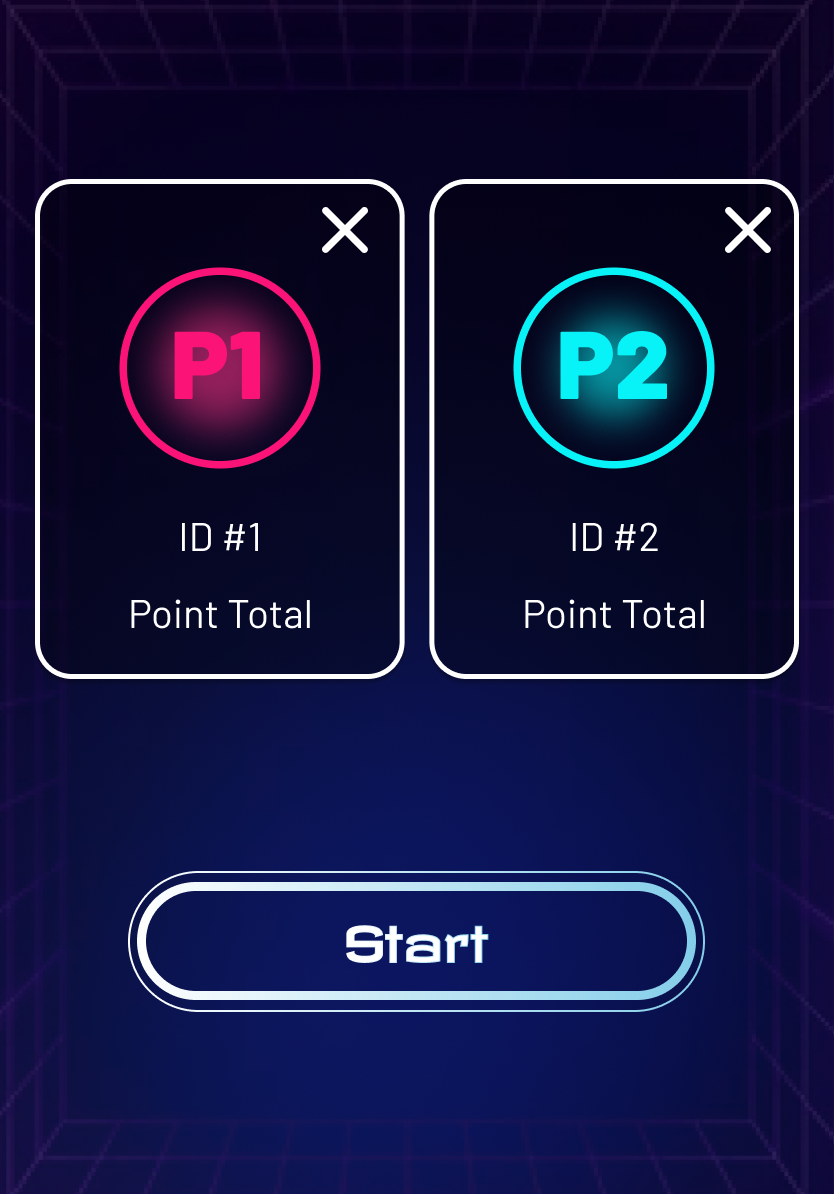
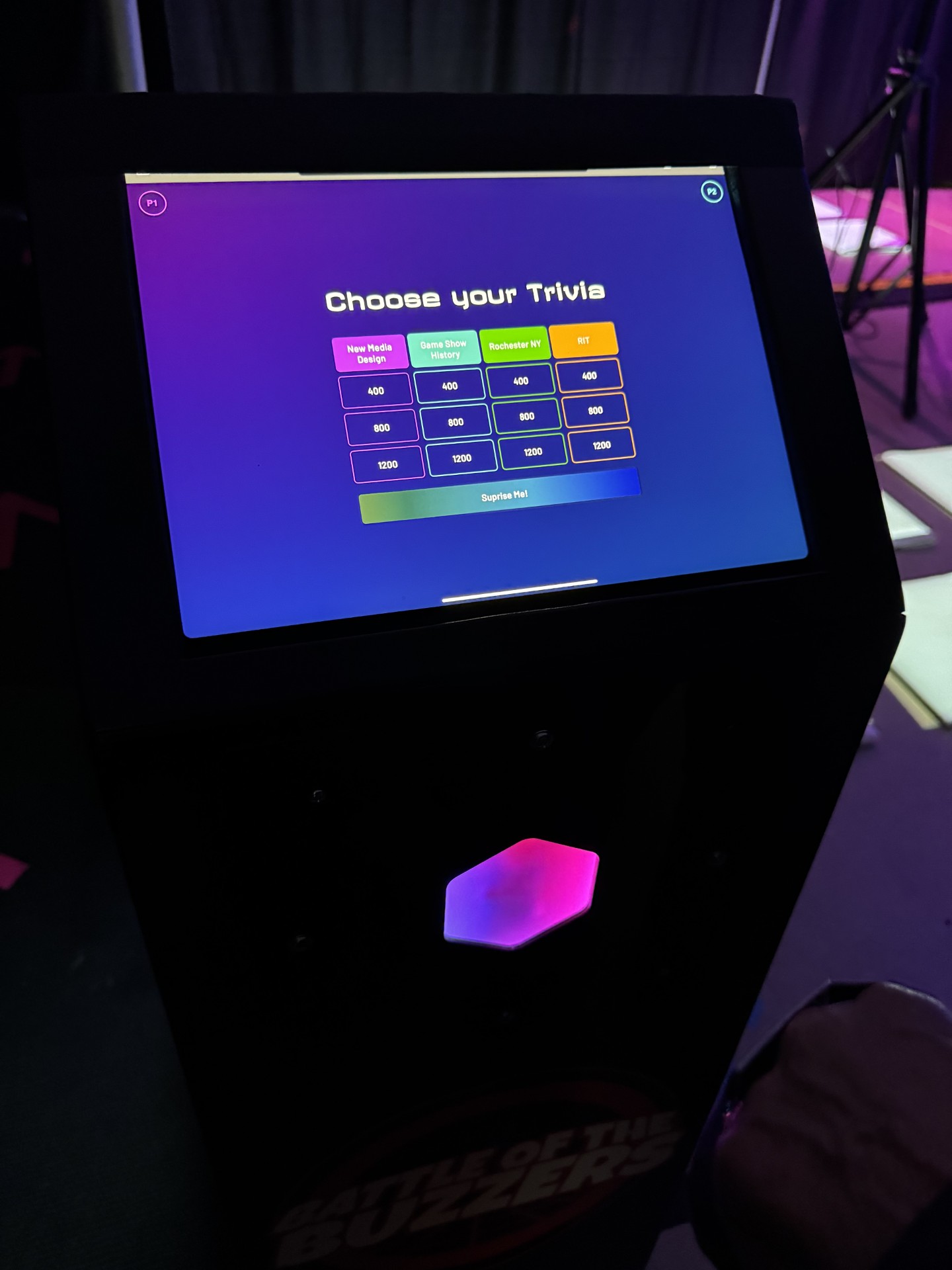
  • An onboarding kiosk for RFID wristband registration and guided instructions.
  • Multiple difficulty modes that scale the experience for both children and adults.
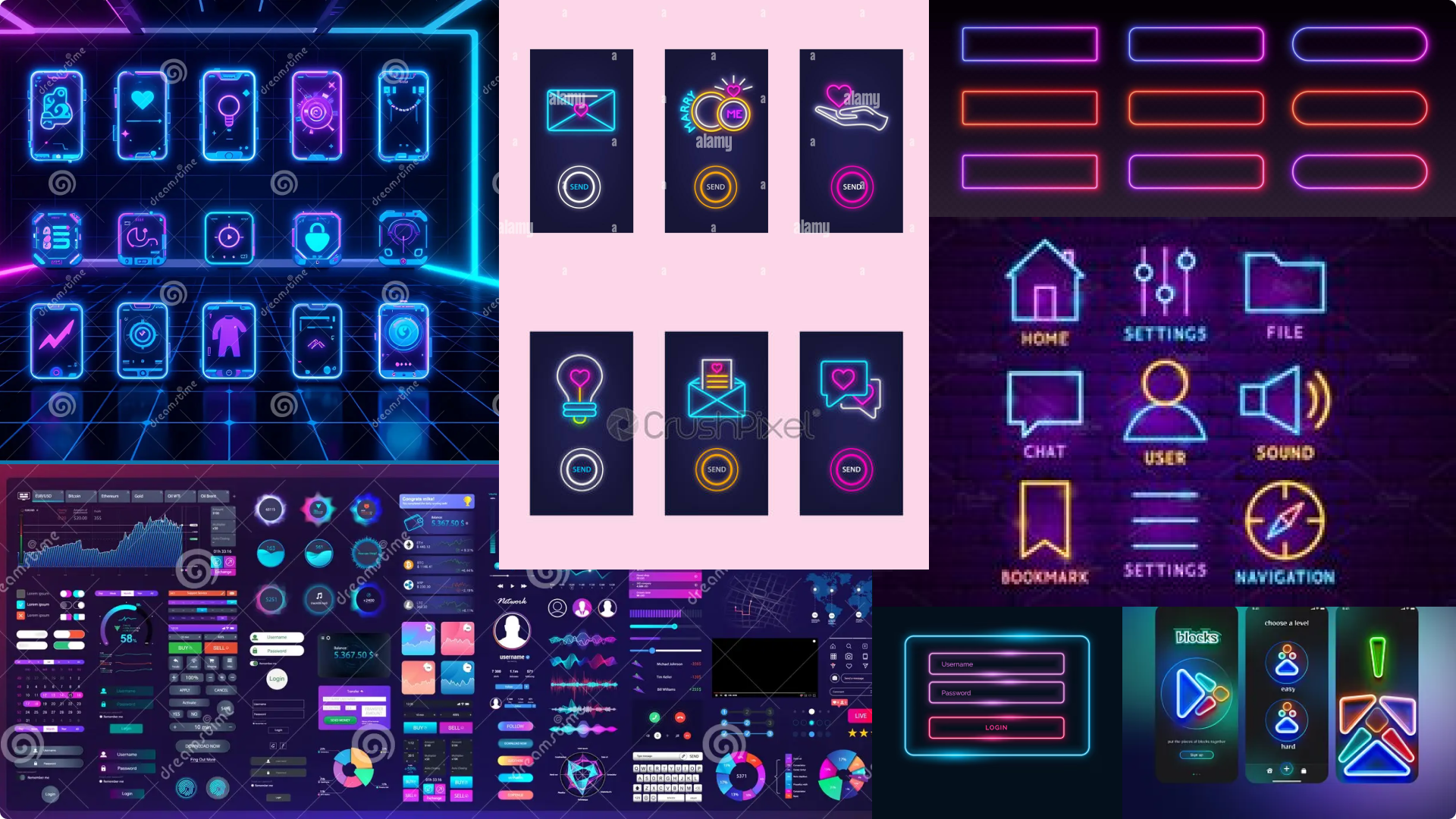
  • Visual themes referencing countdown timers, scoreboards, and classic game show set design.

Portrait tile 1
Portrait tile 2
Portrait tile 3

Prototype

Planning the Experience


To validate core ideas early in the process, we created rapid prototypes that explored key interactions, screen flows, and visual behavior. These early models helped us test usability, pacing, and overall user comprehension before moving into full development.

We built low- to mid-fidelity interactive prototypes to evaluate how users progressed through the experience. These tests helped us observe:

  • User movement through each step of the flow.
  • Clarity and readability of visual states.
  • Pacing, timing, and responsiveness.
  • Initial reactions to the interaction model.
Insights from these sessions guided adjustments to layout, visual hierarchy, and feedback patterns.

AQS Now concept Living Collection mock Generative art 3D render

Outcome / Final Showing

Impact and Learnings


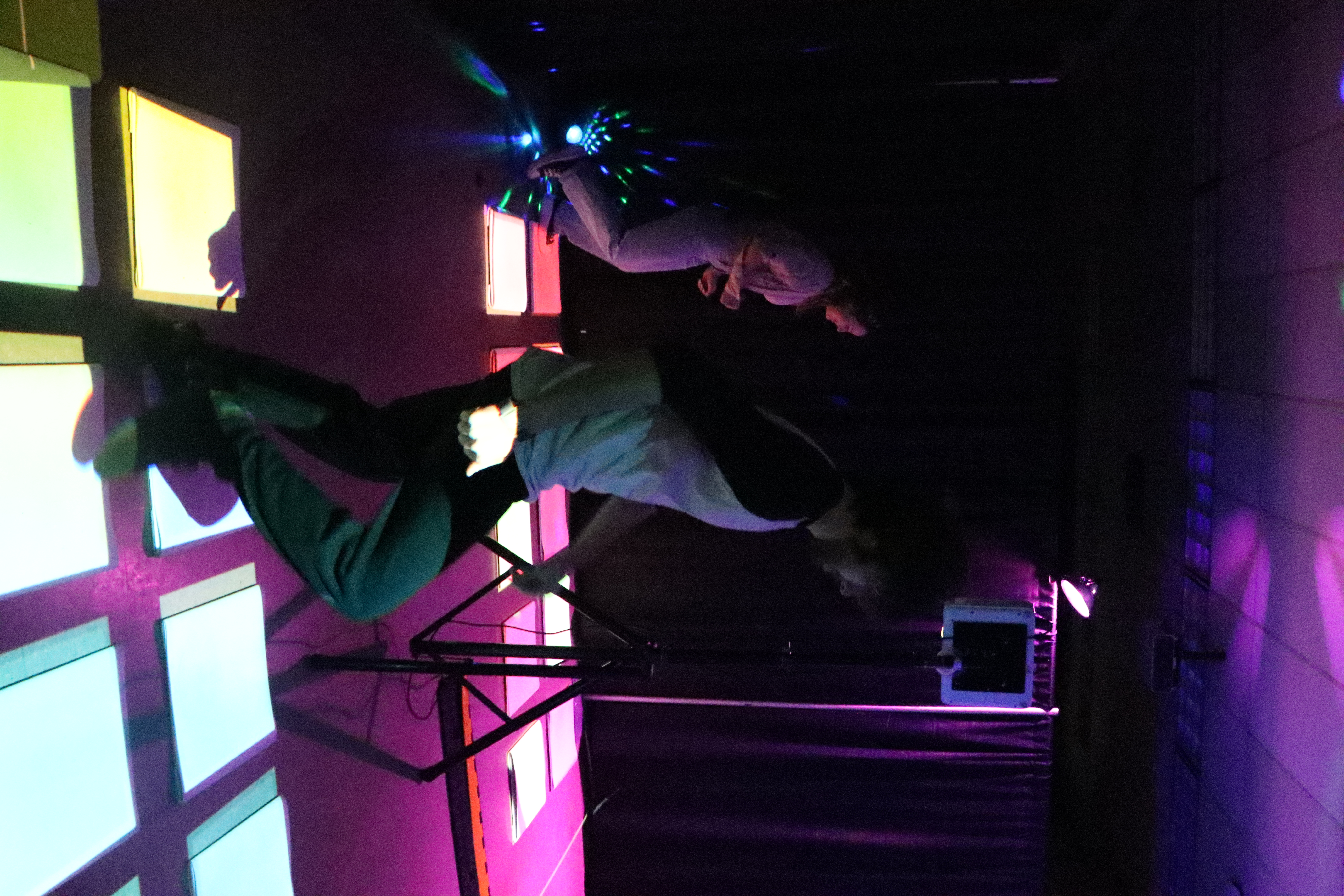
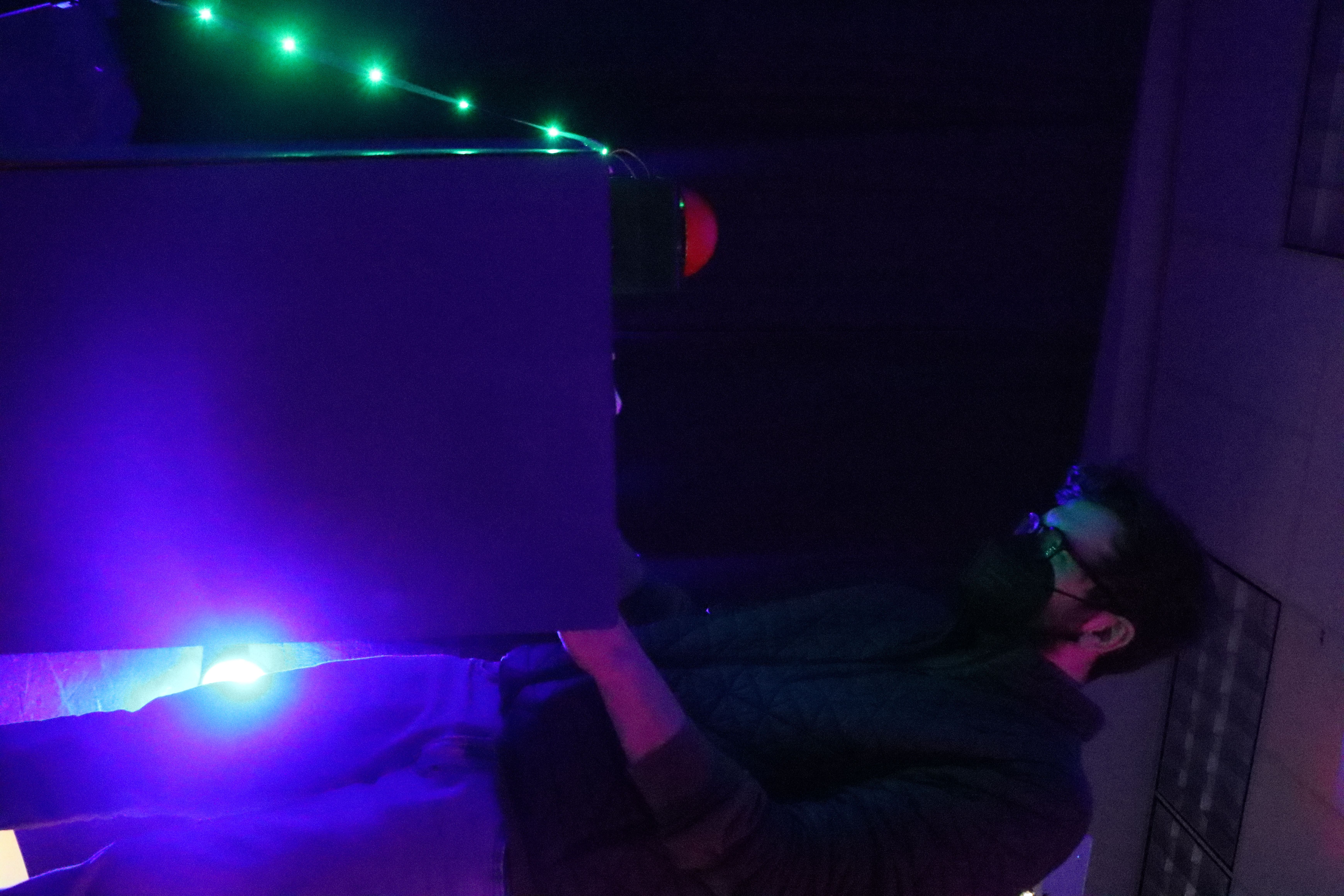
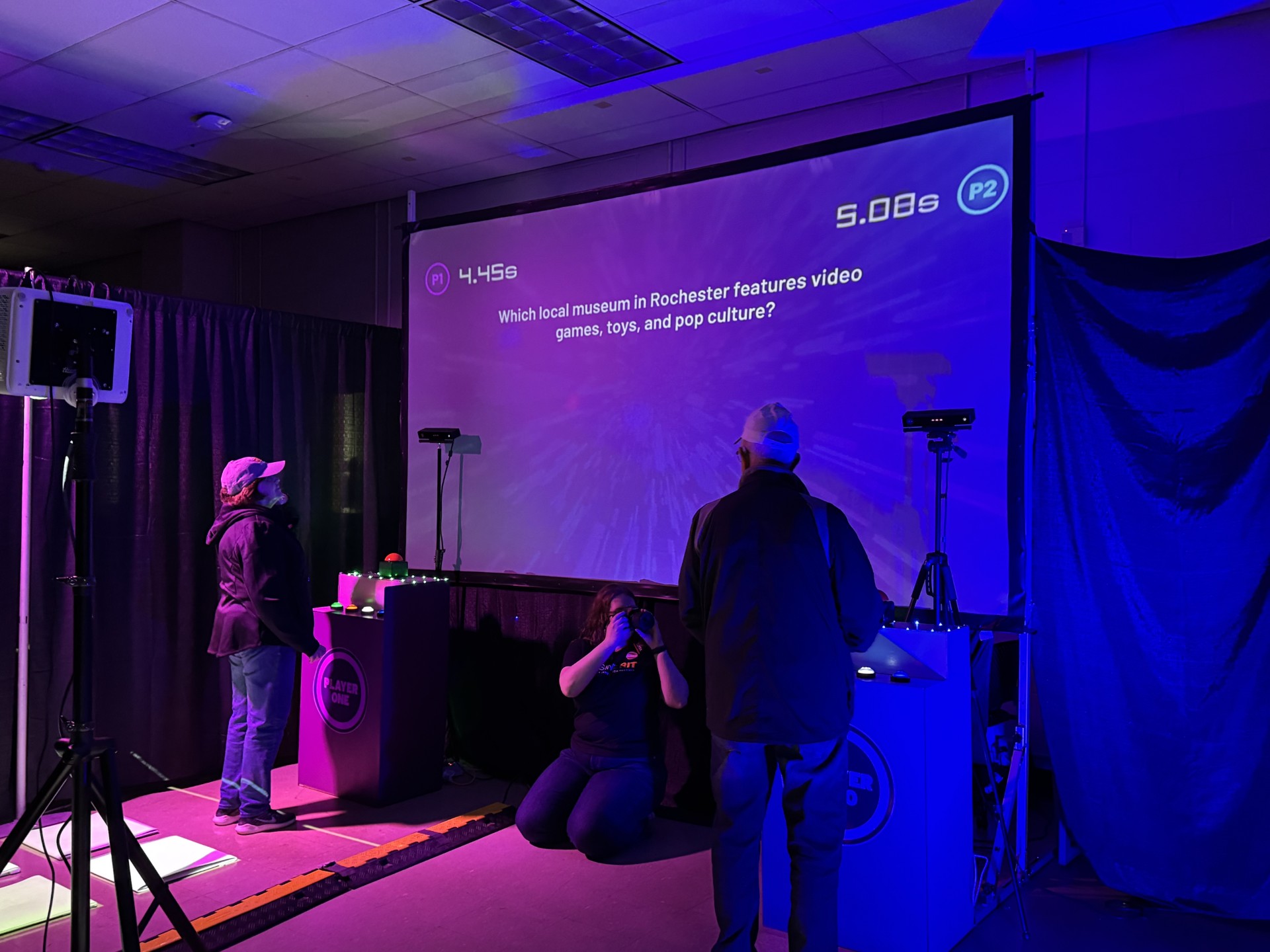
We showcased the final installation at Imagine RIT, where visitors of all ages had the opportunity to test the full experience from start to finish. The setup included the interactive projection area, onboarding kiosk, and end-of-game components, allowing guests to move through the complete flow just as they would in the exhibit. Observing real user behavior helped validate our design decisions around clarity, accessibility, and pacing. Representatives from The Strong National Museum of Play also attended, providing valuable feedback and confirming that the experience aligned with the goals of the upcoming Beyond the Buzzer exhibit.

Portrait tile 1
Portrait tile 2
Portrait tile 3