Cary Collection

Project hero image
Role
UI/UX Designer, Web Designer, Graphic Designer
Tools
Figma, UIX, Adobe Suite, Visual Studio
Skills
UI/UX Design, Graphic Design
Timeline
August – September 2024
Key Project Points
  • Graphic Updates
  • Navigation & User Flow
  • Informational
  • Application
  • Remastering

Project Overview

Background and Goals


This project explored how to make the Cary Graphic Arts Collection more accessible and engaging for modern audiences. Although the archive contains rare and historically significant design materials, many visitors—especially younger ones—perceive it as static or distant. Our goal was to transform these artifacts into an interactive experience that encourages exploration, creativity, and personal expression.

The Challenge

The Cary Collection’s printed materials hold immense artistic value, but their traditional archival presentation can feel passive or inaccessible. The challenge was to reimagine these pieces in a digital context that preserved their historical identity while inviting users to remix and reinterpret them. We needed to strike a balance between creative freedom and respect for the original works—making the archive feel alive without distorting its intent.

Project Goals

  • Put User Creativity at the Center: Encourage visitors to actively reshape and reinterpret archival materials, fostering a personal connection with the collection.
  • Represent a Broad Range of Pieces: Build a flexible system capable of incorporating any artifact containing text or imagery, ensuring scalability and diverse creative possibilities.
  • Breathe New Life into the Archive: Shift public perception of archival materials from something to observe to something to explore, remix, and reimagine.

Example full-width image

Design Process

Our Solution


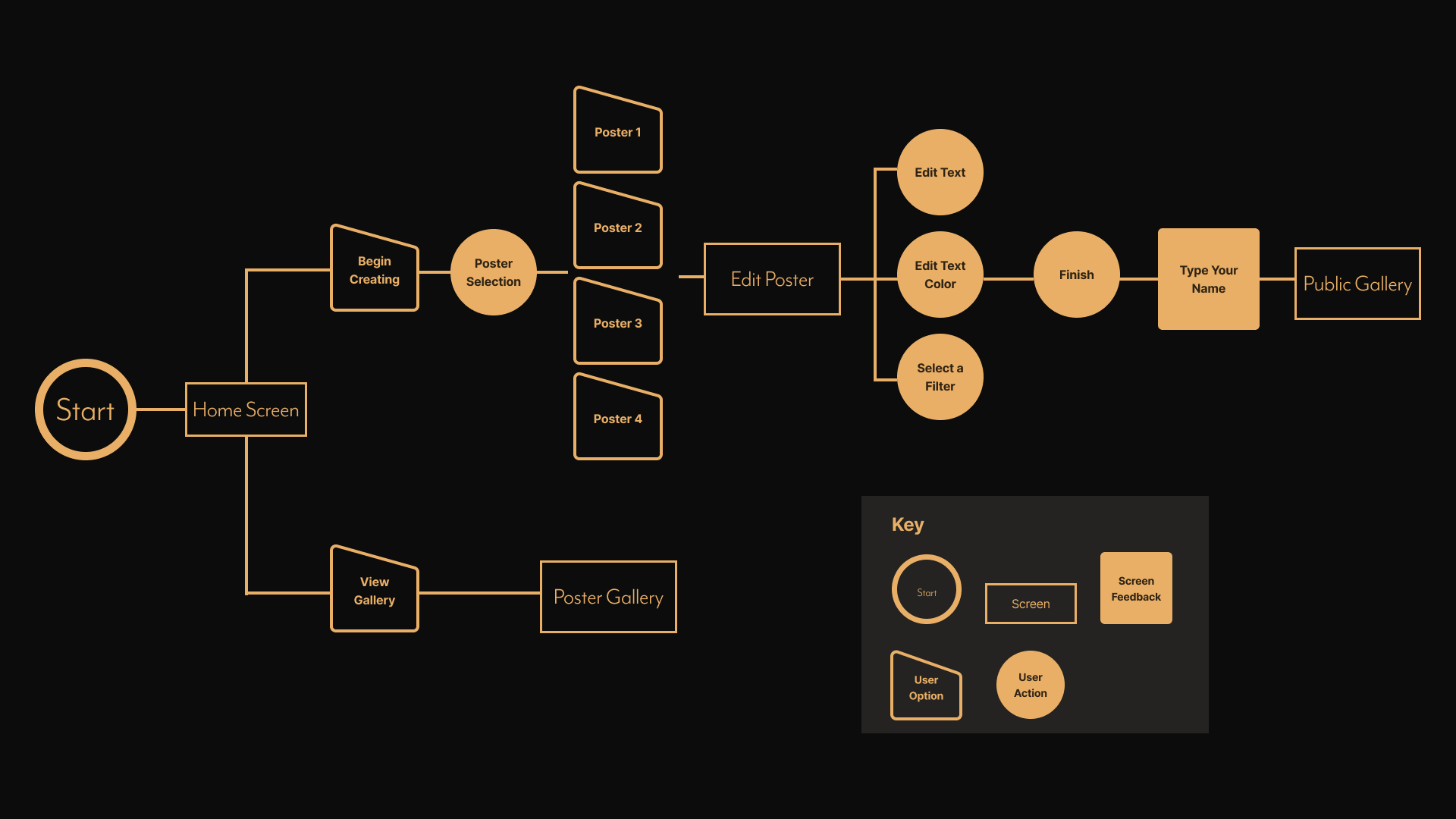
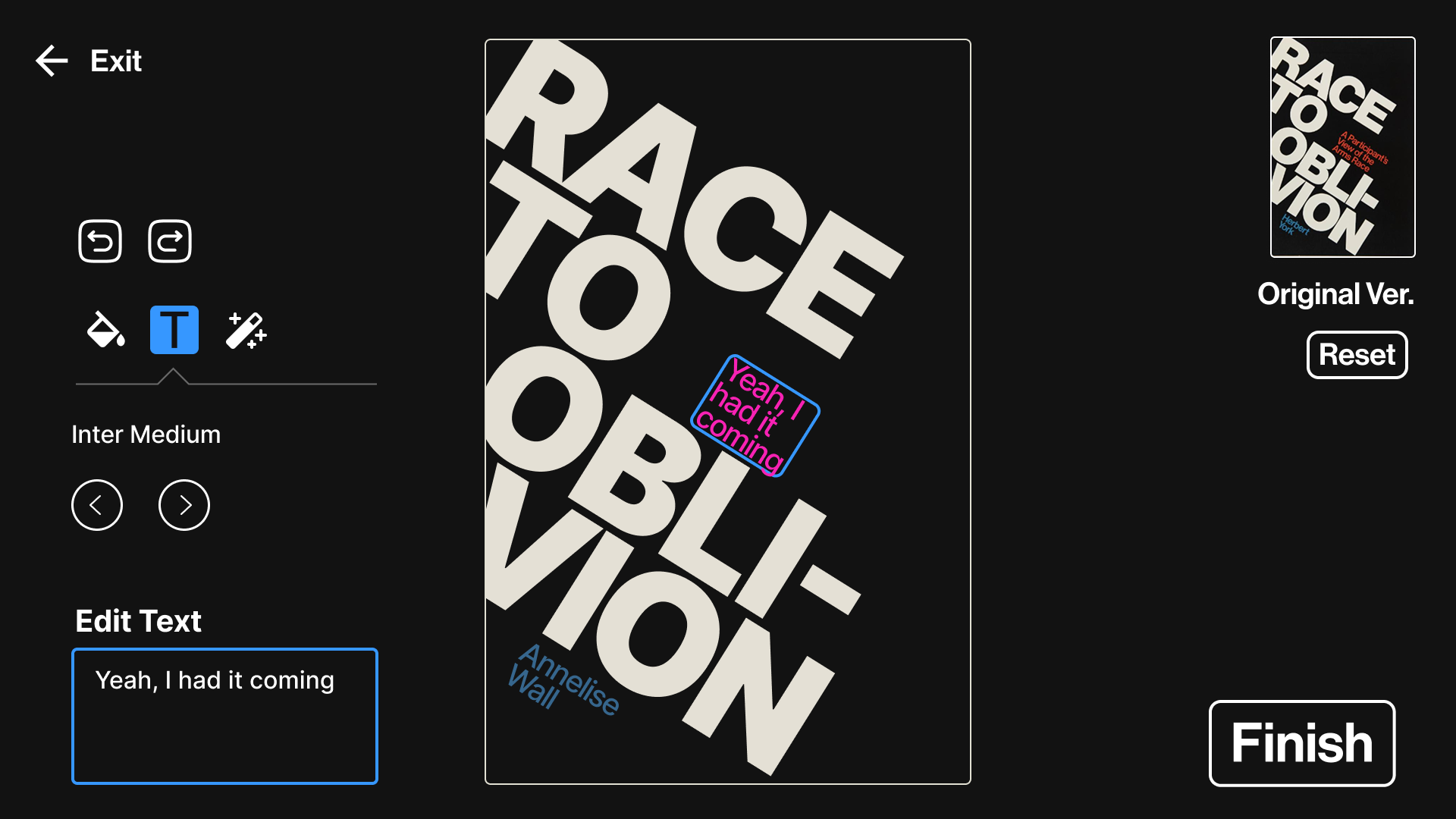
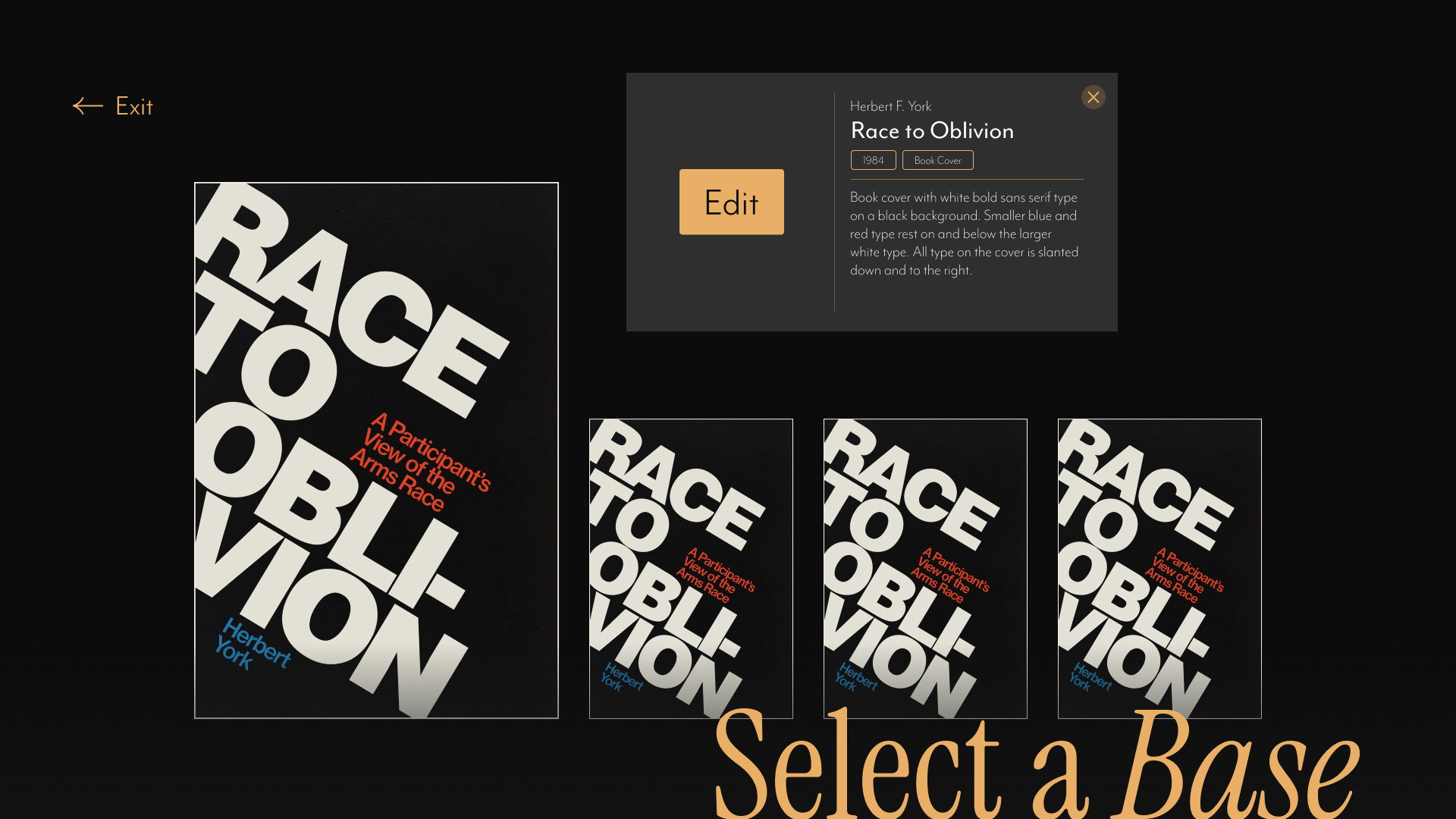
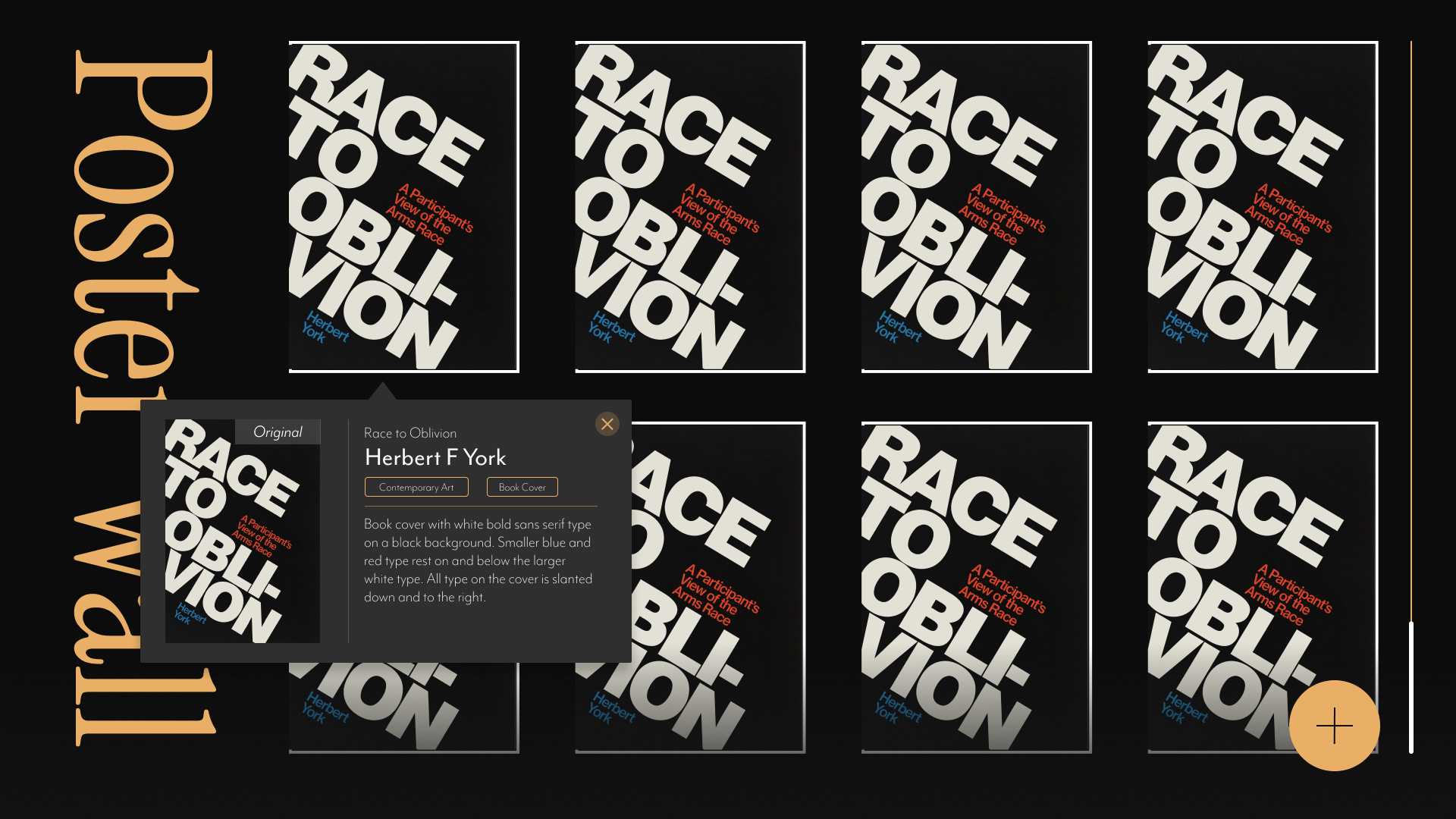
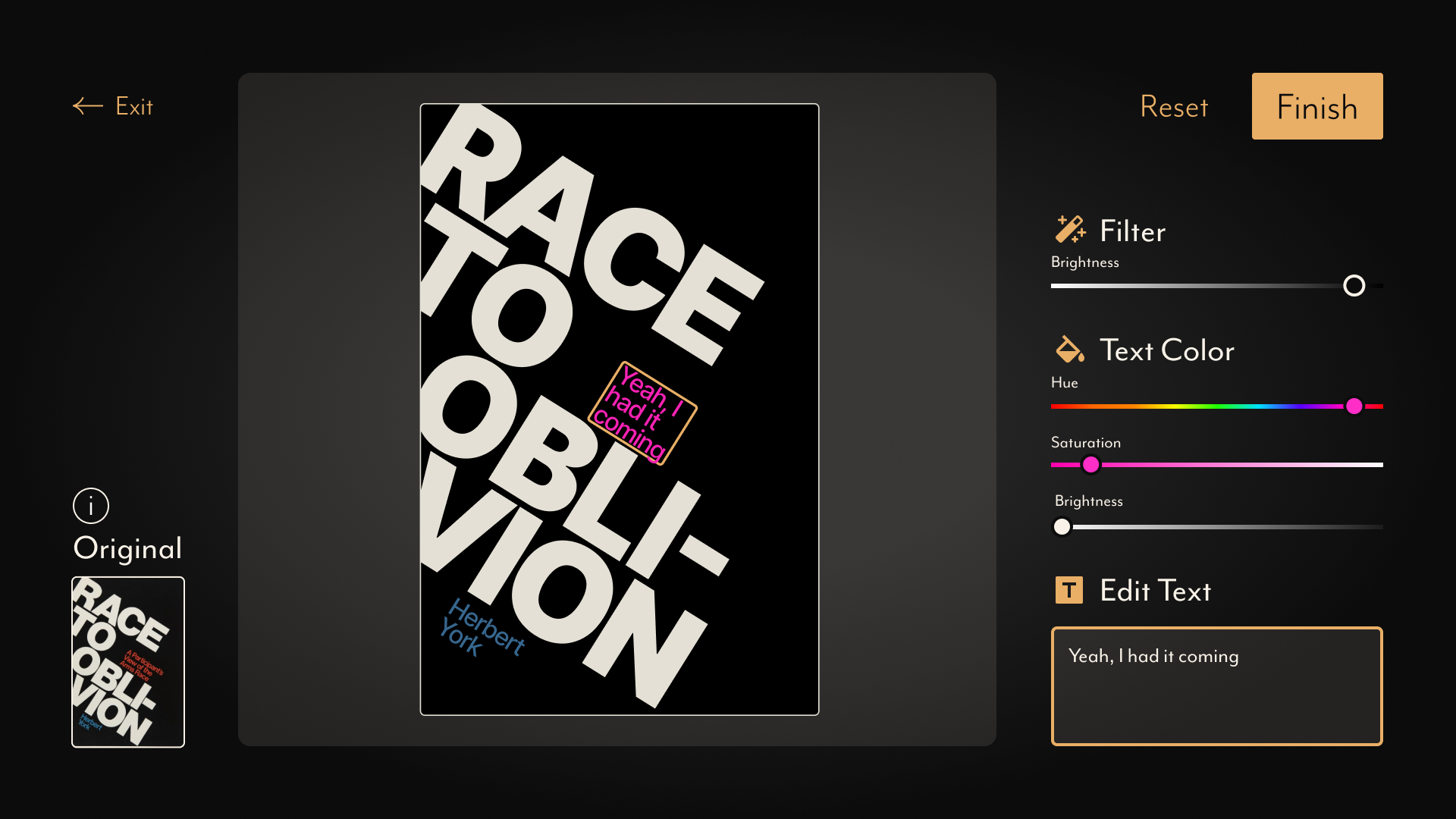
We designed an interactive digital “printing press” that allows visitors to create visual remixes using scanned materials from the archive. Users can select imagery, typography, and color palettes sourced directly from the collection and combine them into personalized compositions. This approach transforms static artifacts into a living toolkit for creative experimentation—bridging historical craftsmanship with contemporary digital interaction.

Example full-width image

Screen Format & Usability: Designing for Large Touch Displays


We initially designed the interface in a vertical layout to mirror the proportions of traditional posters. However, testing on the physical touchscreen revealed significant usability issues: interactive elements near the top and bottom were difficult for many users to reach. To ensure accessibility, we pivoted to a horizontal layout. This orientation improved ergonomics and ensured all UI elements fell within comfortable touch zones. The redesign reinforced the importance of testing on real hardware—what is elegant on paper may not be functional in practice.

AQS Now concept Living Collection mock Generative art 3D render

Final Screens

Planning the Experience


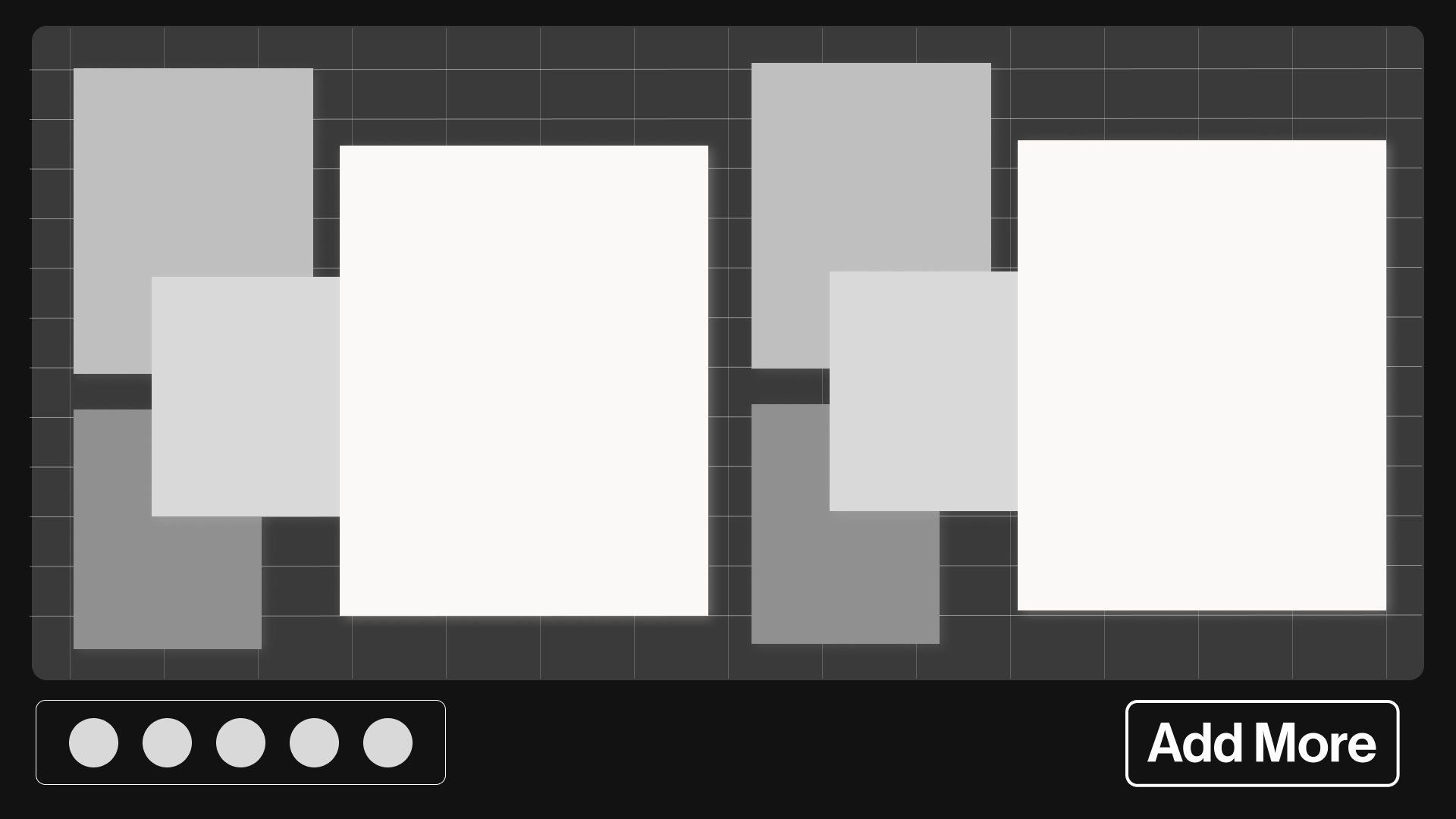
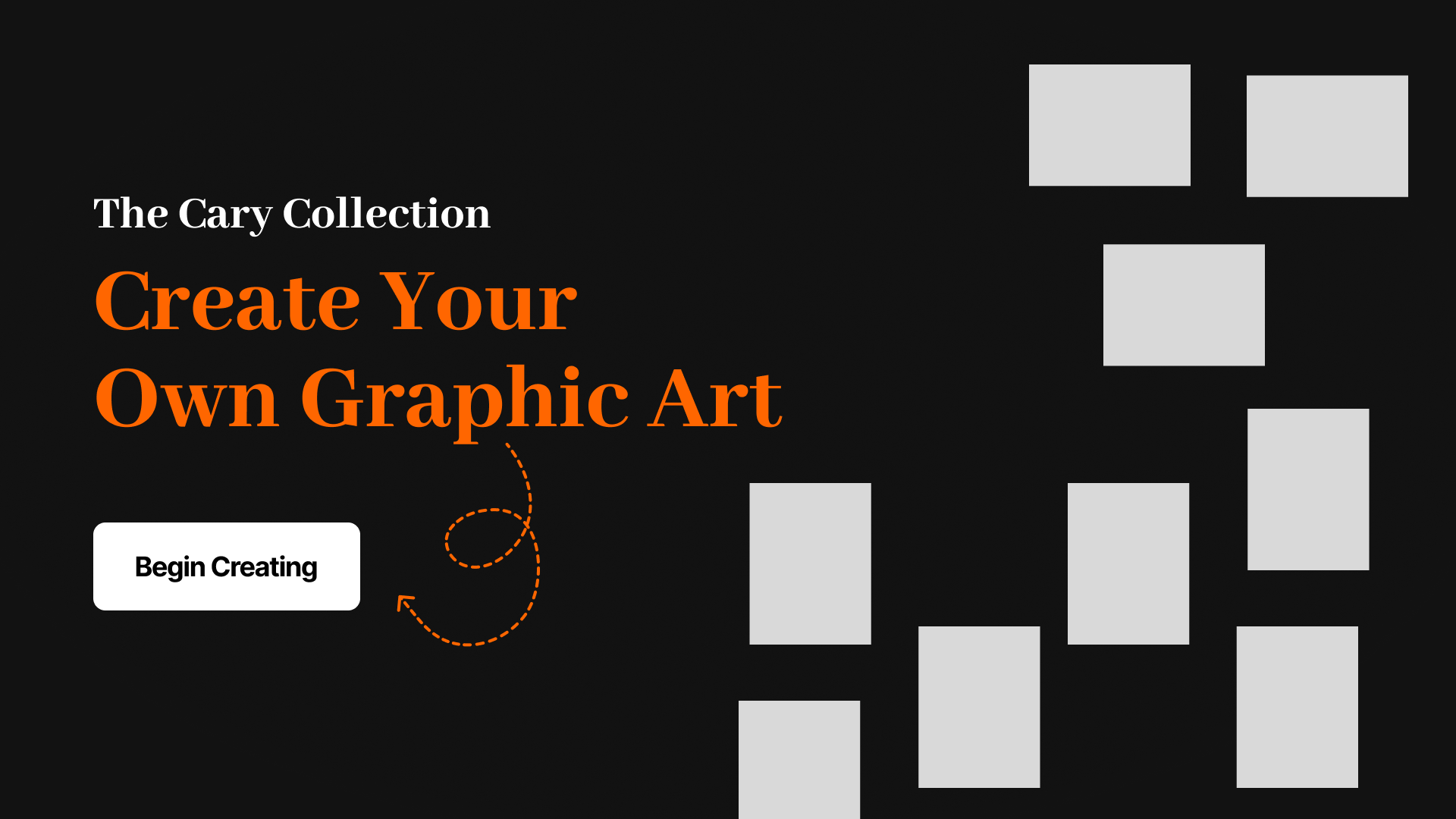
The final screen designs incorporated a modern visual identity featuring clean layouts and a refined black-and-gold palette. This aesthetic linked the elegance of historical print design with the clarity of contemporary digital interfaces. The result was an experience that felt both respectful to the archive and inviting for modern users.

AQS Now concept Living Collection mock Generative art 3D render

Outcome / Final Showing

Impact and Learnings


We presented our prototype to an audience that included students, faculty, and representatives from the Cary Collection. Users interacted with the digital printing press to build their own compositions, demonstrating how archival materials could become approachable and inspiring when reframed through interactive design. I contributed to the visual design and UI/UX structure, as well as building much of the HTML and styling for the working prototype. While time constraints prevented full implementation of all visual refinements, the core interaction model functioned effectively and clearly communicated the concept. The reception confirmed that a digital reinterpretation can successfully bring new life to historical collections.